How to Get Started in Filmmaking: A Beginner’s Guide
Understanding the Basics of Filmmaking
Diving into the world of filmmaking can be both exciting and overwhelming. It's a craft that combines storytelling, art, and technology. As a beginner, understanding the fundamental aspects of filmmaking is crucial. This guide will walk you through the essential steps to kickstart your journey.
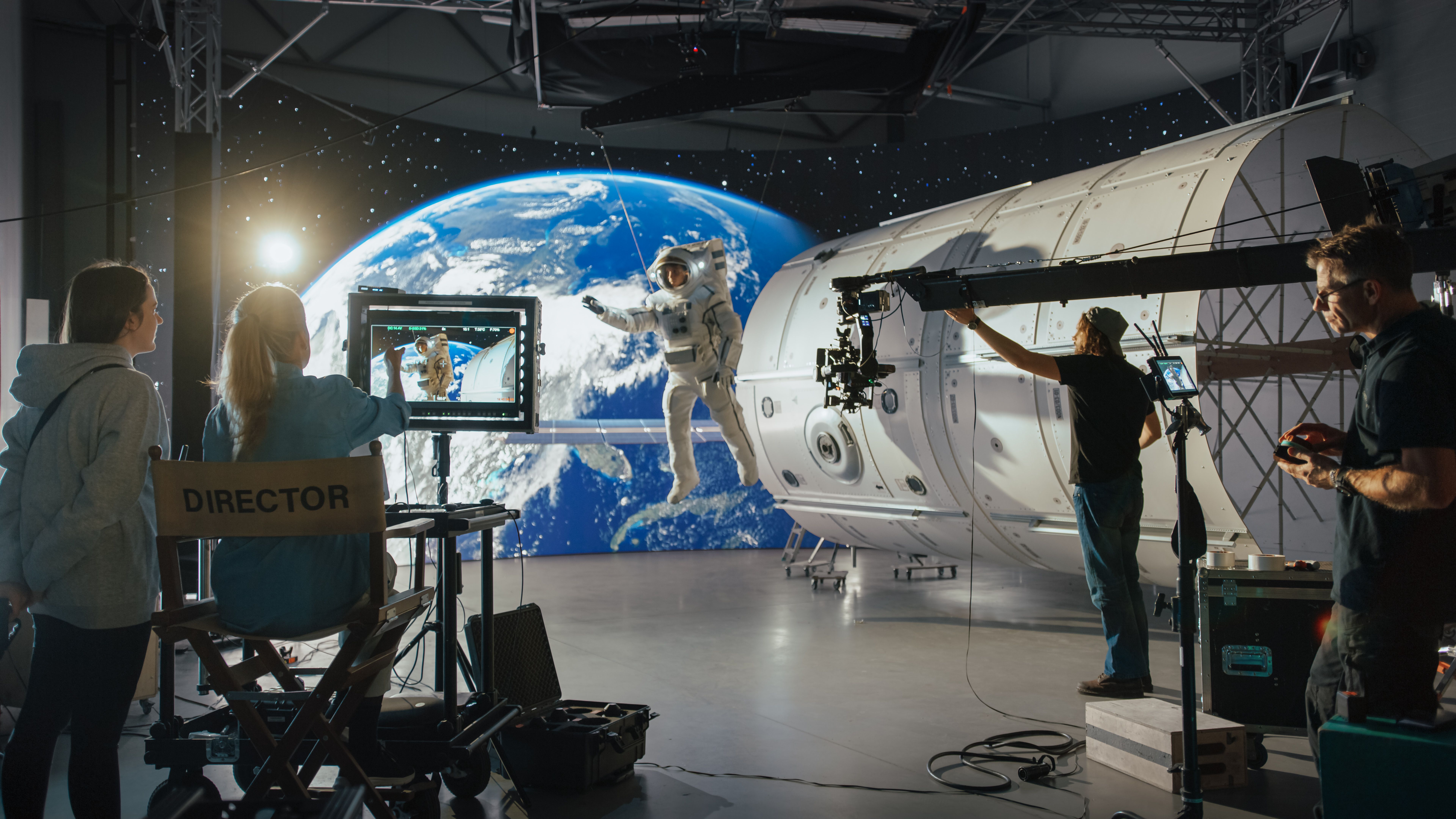
Start with a Concept
Every film begins with a concept. It could be a single idea, a theme, or a story you’re passionate about. Spend time brainstorming and refining your concept. This will be the foundation on which you build your project.
Once you have a clear idea, transform it into a script. A well-written script is the backbone of your film, guiding you through the entire process. Consider taking a screenwriting course or utilizing free online resources to improve your writing skills.
Gather Your Equipment
Investing in the right equipment is essential. For beginners, a basic camera, tripod, and microphone are sufficient. Many modern smartphones also have excellent video capabilities. Remember, storytelling is more important than having the most expensive gear.

Lighting is another crucial element. Natural light can be your best friend, but having a basic lighting kit can enhance your film's quality significantly. Experiment with different setups to understand how lighting affects your scenes.
Build Your Crew
Filmmaking is a collaborative effort. Start by gathering a small, dedicated crew. Look for individuals who share your passion and are willing to learn. Roles such as a director, cinematographer, and editor are essential, but in the beginning, you might need to take on multiple roles yourself.
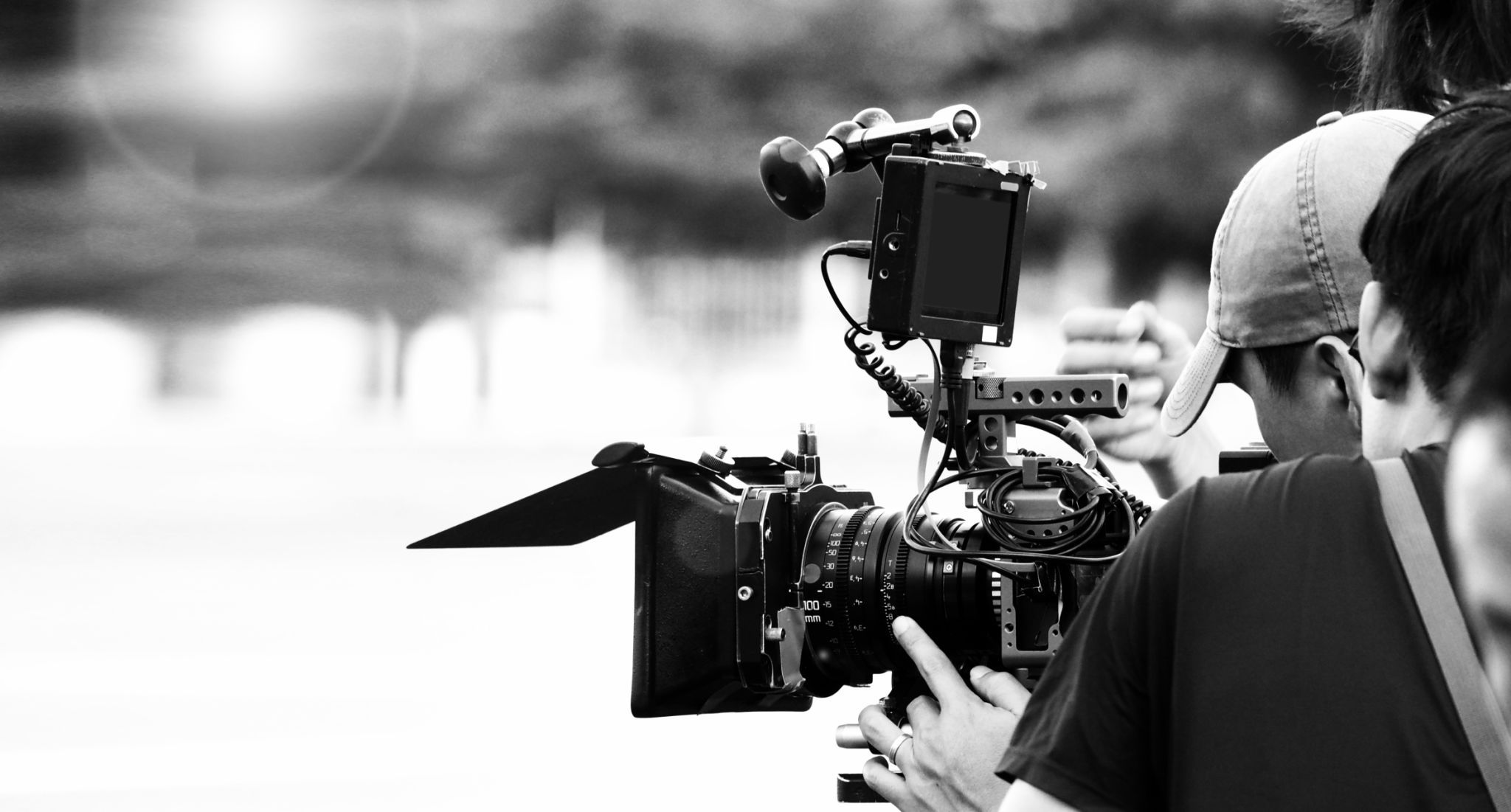
Plan Your Shoot
Pre-production planning is vital for a successful shoot. Create a detailed storyboard and shot list to visualize each scene. This will help you stay organized and ensure you capture everything you need.
Scout locations beforehand and obtain any necessary permits. Consider the logistics of each location, including lighting conditions, noise levels, and accessibility.
Edit and Refine Your Film
Once filming is complete, move on to post-production. This stage involves editing your footage, adding sound, and refining your film. Familiarize yourself with editing software like Adobe Premiere Pro or DaVinci Resolve. Both offer powerful tools to enhance your project.
Share Your Work
After polishing your film, it’s time to share it with the world. Consider submitting your work to film festivals, or use platforms like YouTube or Vimeo to reach a broader audience. Engaging with viewers and receiving feedback will help you grow as a filmmaker.
Remember, the journey of filmmaking is a continuous learning experience. Embrace challenges, celebrate your progress, and keep creating. Each project will bring you closer to mastering the art of storytelling through film.